Key takeaways
- A portable unit costs £350 to £800 and plugs in; a fitted single-split costs about £1,500 to £3,000.
- To run, the split is far cheaper: about 5.4p an hour against 20.2p for a portable unit, about 73% less.
- Split units put the noisy compressor outside; a portable unit has it in the room with you.
- Portable units suit renters, a single room and short heatwaves. Split units suit anyone cooling the same rooms every summer.
When a heatwave arrives, portable air conditioners sell out. They are easy to buy, need no installer and no permission. For some people they are exactly right. For many others, they end up noisy, expensive to run and not quite cold enough, and a fitted split unit would have been the better buy.
How each one works
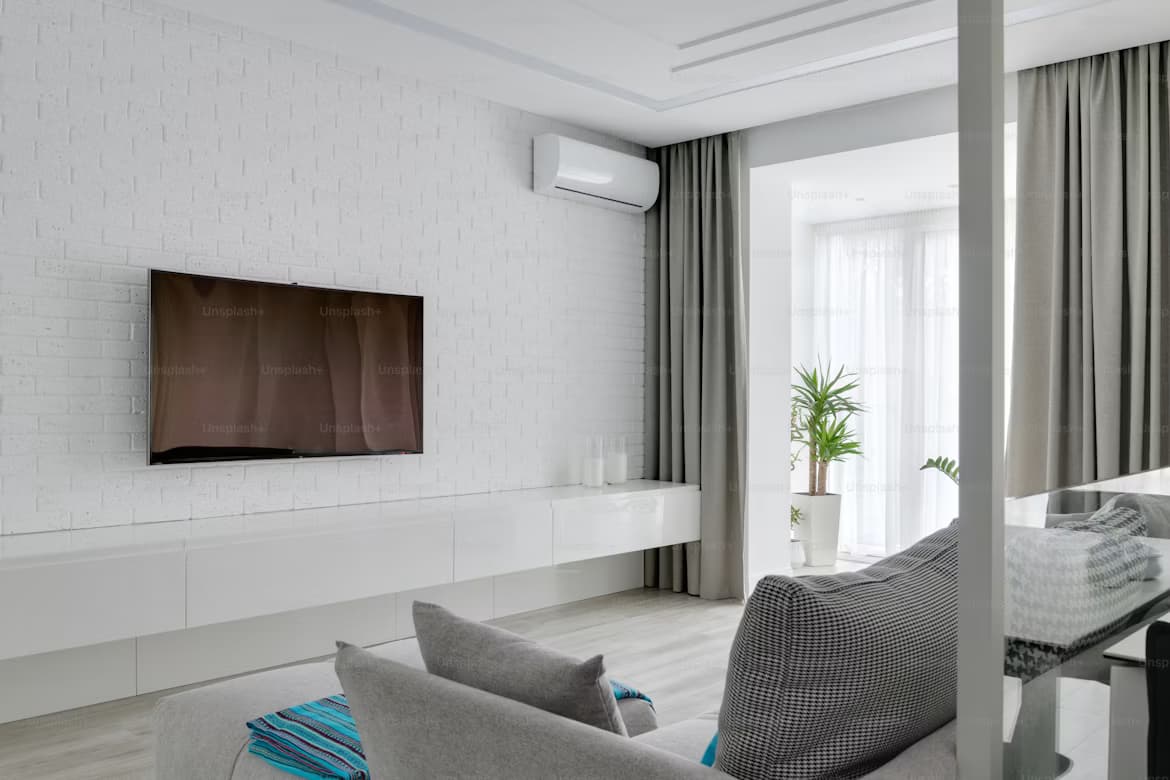
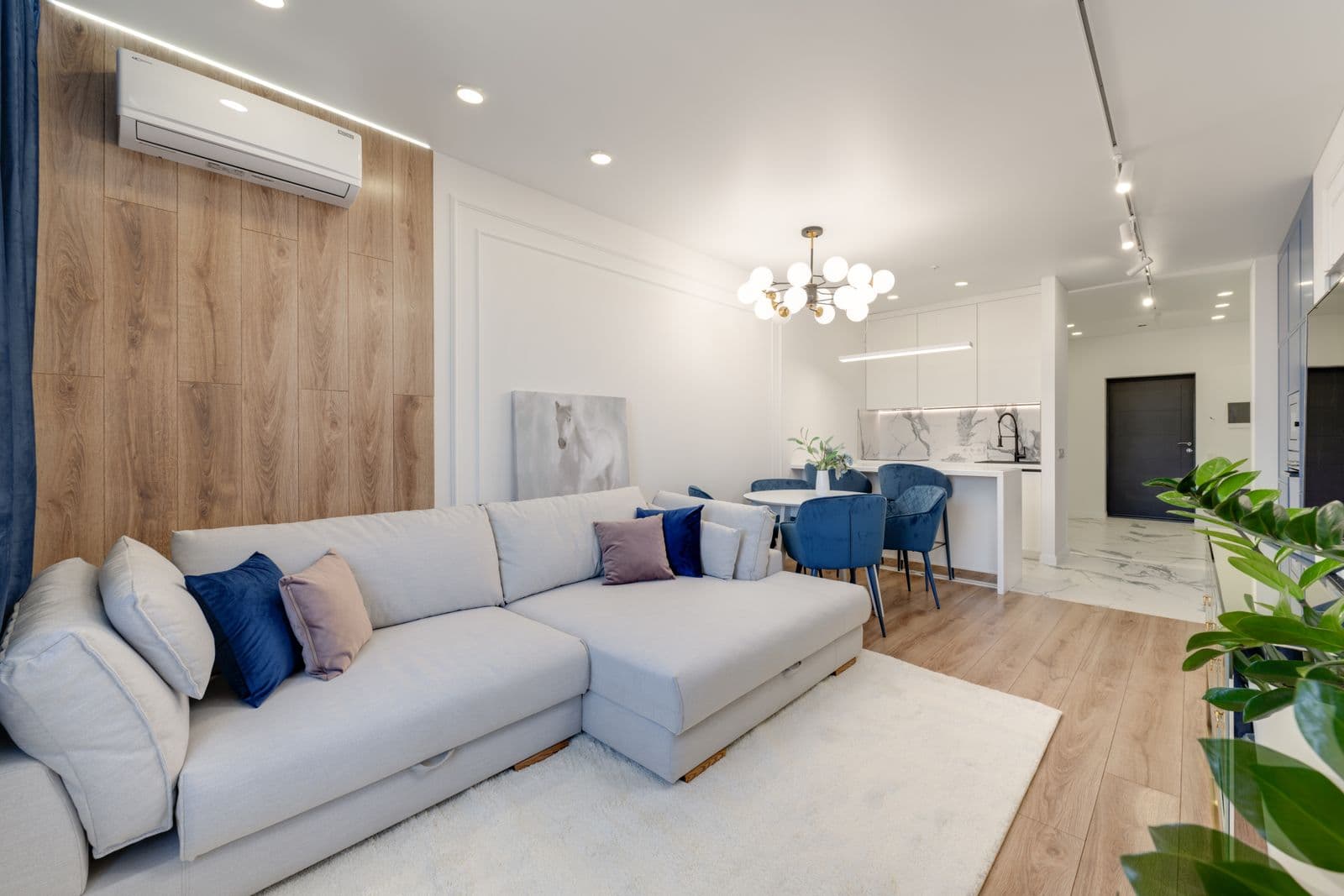
Both are the same kind of machine: a heat pump that moves heat from inside to outside. The difference is where the parts are. A split system has an indoor unit on the wall and a separate outdoor unit, joined by refrigerant pipes through the wall. A portable unit puts everything, including the hot side and the compressor, in one box in the room, and pushes the heat out through a flexible hose in a window.
| Portable unit | Single-split unit | |
|---|---|---|
| Cost to buy and fit | £350 to £800 | £1,500 to £3,000 |
| Cost per hour, one room | 20.2p | 5.4p |
| A typical summer | £73 | £19 |
| Efficiency rating | About 2.6 (single-point EER) | At least 6.1 (seasonal SEER, A++) |
| Noise in the room | Compressor in the room | Quiet indoor fan; compressor outside |
| Installation | None | F-Gas certified engineer |
| Planning permission (England) | Not needed | Needed for a cooling-only outdoor unit |
| Heats in winter | Some models | Most models; an air-to-air heat pump is designed to |
Why portable units struggle
The hose gets hot and radiates heat back into the room. Hot air leaks back around the window gap. And as the unit pushes air out, replacement air is pulled in from the rest of the home and from outside, which on a hot day is warm. Add the lower efficiency and a portable unit uses far more electricity for less cooling than its label suggests.
When portable is the right choice
- You rent and cannot make changes to the building.
- You need to cool one room for a few hot weeks a year.
- You live in a flat where the freeholder will not allow an outdoor unit.
- You need something this week, while a fitted system is planned.
When a split unit is worth it
If you cool the same rooms every summer, the running-cost gap adds up, if slowly. At a typical summer of use, the split saves about £54 a year in electricity in one room, before counting the comfort and the quiet. Split units also heat efficiently in winter, and an air-to-air heat pump that replaces your heating can attract the Boiler Upgrade Scheme grant when fitted by an MCS-certified installer.
Free toolRunning cost calculatorWhat an hour of cooling really costsFrequently asked questions
Are portable air conditioners worth it?
For a single room, a short heatwave or a rented home, yes. For cooling the same rooms every summer, a split unit costs far less to run and is much quieter.
Why is my portable air conditioner not cooling the room?
Common causes are an undersized unit, a hot exhaust hose, gaps around the window hose, and warm air being pulled in from elsewhere. Seal the window gap, keep the hose short and straight, and close the door.
Do split air conditioners need planning permission?
In England, a cooling-only outdoor unit needs planning permission. An air-to-air heat pump that also heats can be permitted development on a house within limits. This is indicative: confirm with your local planning authority.
Sources
Solomon Amos, Founder & Technical Architect, GetComfort
Solomon Amos is the founder and technical architect of GetComfort, and built HomePortfolio, the property-intelligence platform behind this site's property data. He is not an installer: every accreditation and planning claim here is sourced to its primary guidance, as the methodology sets out. More about the author