Key takeaways
- In England, a cooling-only air conditioner has no permitted-development route and needs planning permission.
- An air-to-air heat pump, which heats as well as cools, can be permitted development on a house, within size, siting and noise limits.
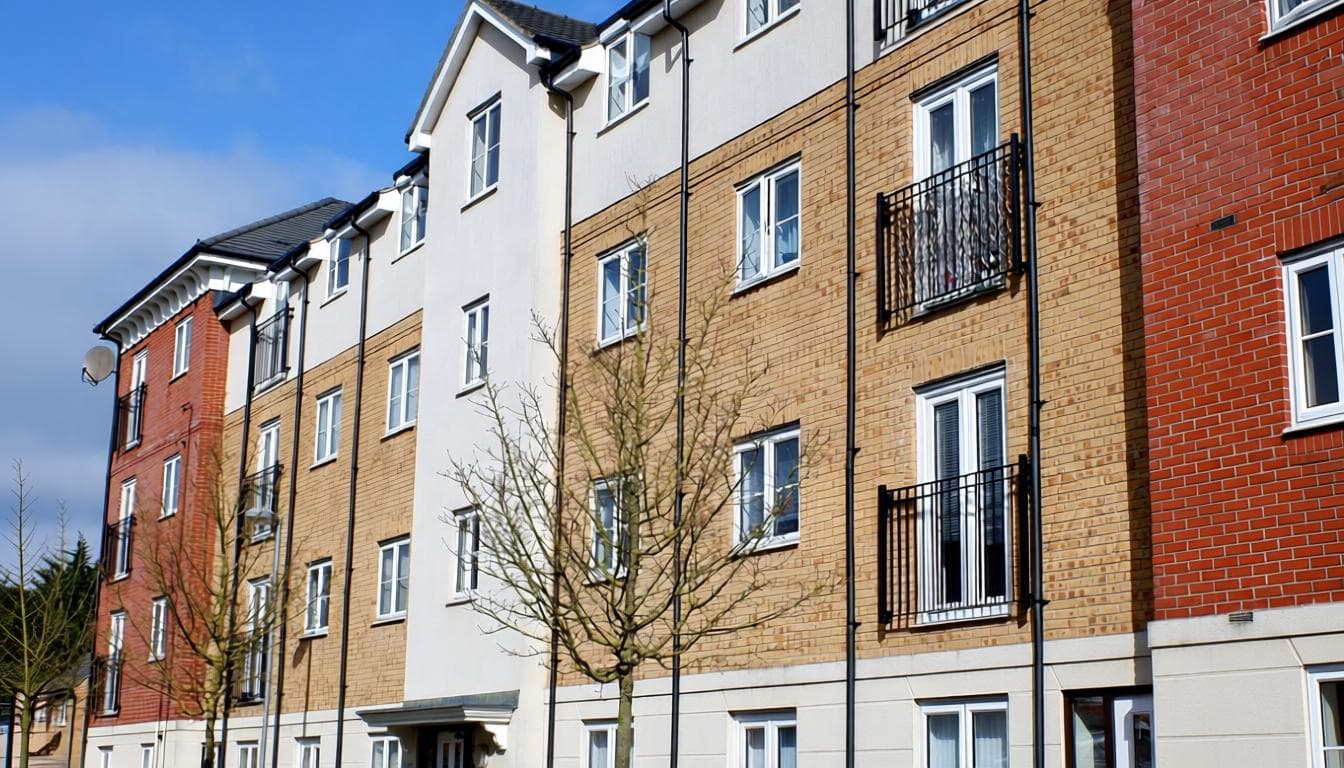
- Flats almost always need permission, because the right sits with the whole building and needs the freeholder.
- The outdoor unit must pass the MCS 020 a) sound test: 37 dB(A) or less at any neighbouring habitable-room window or door.
- Listed buildings always need consent. Conservation areas and Article 4 directions tighten the rules further.
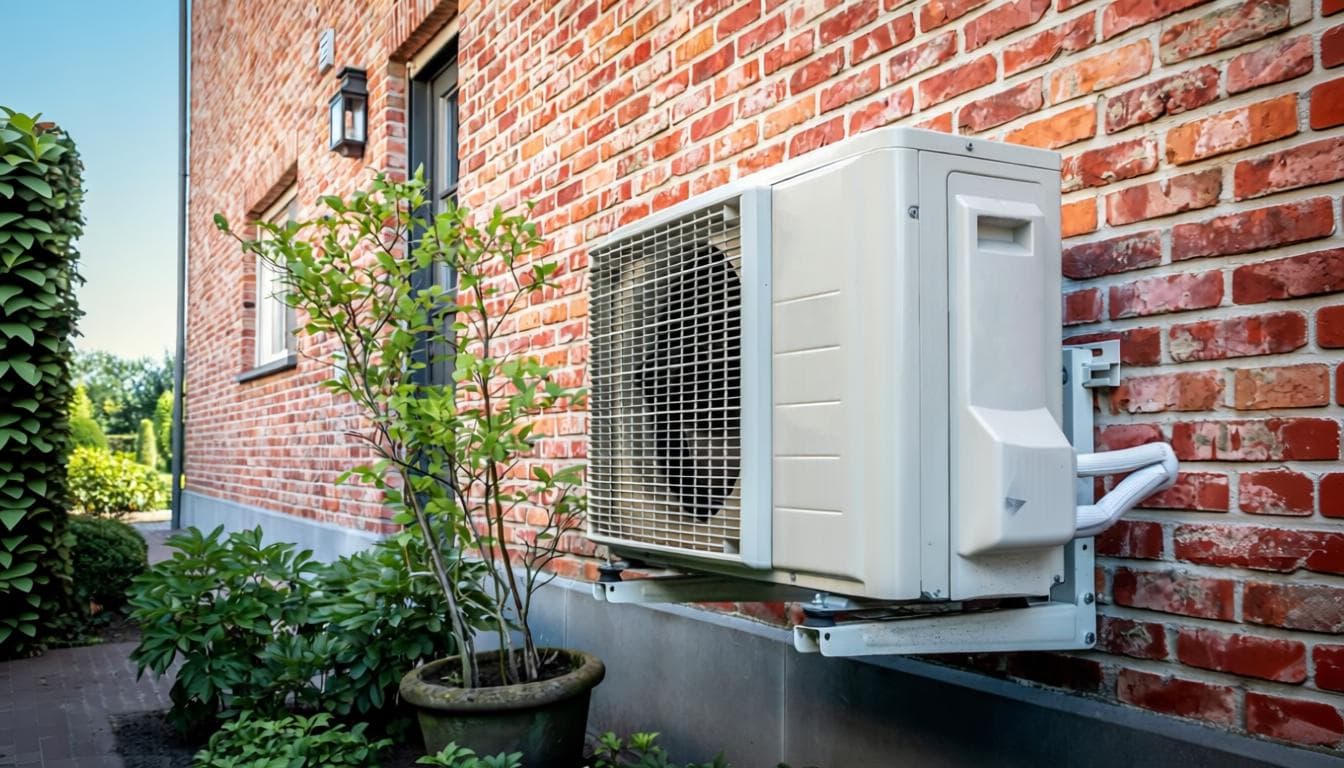
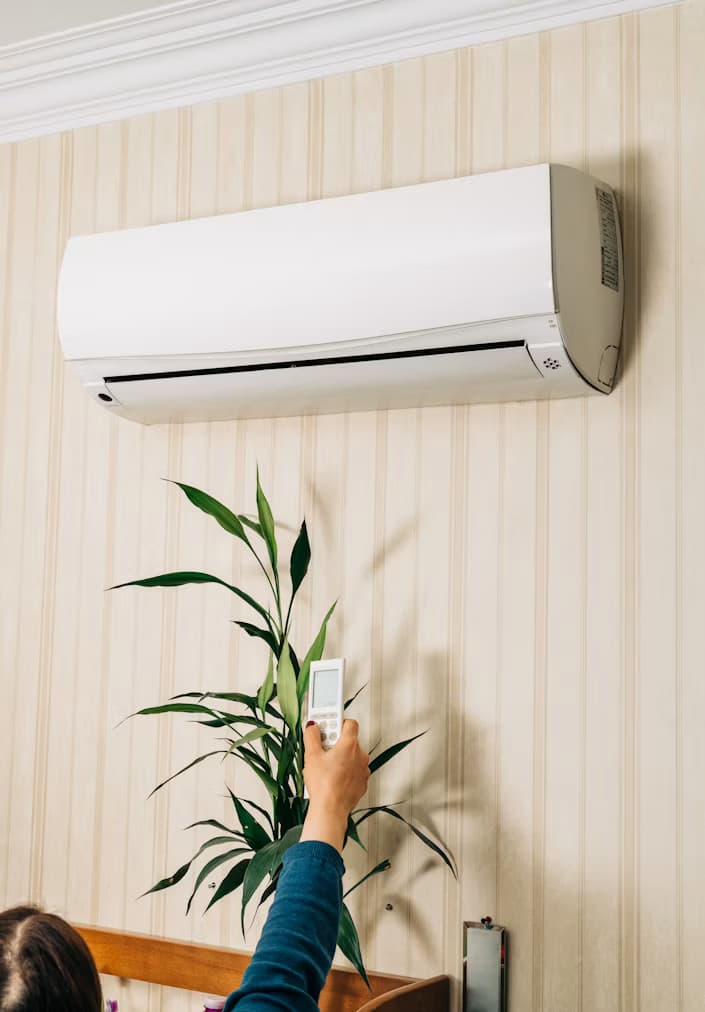
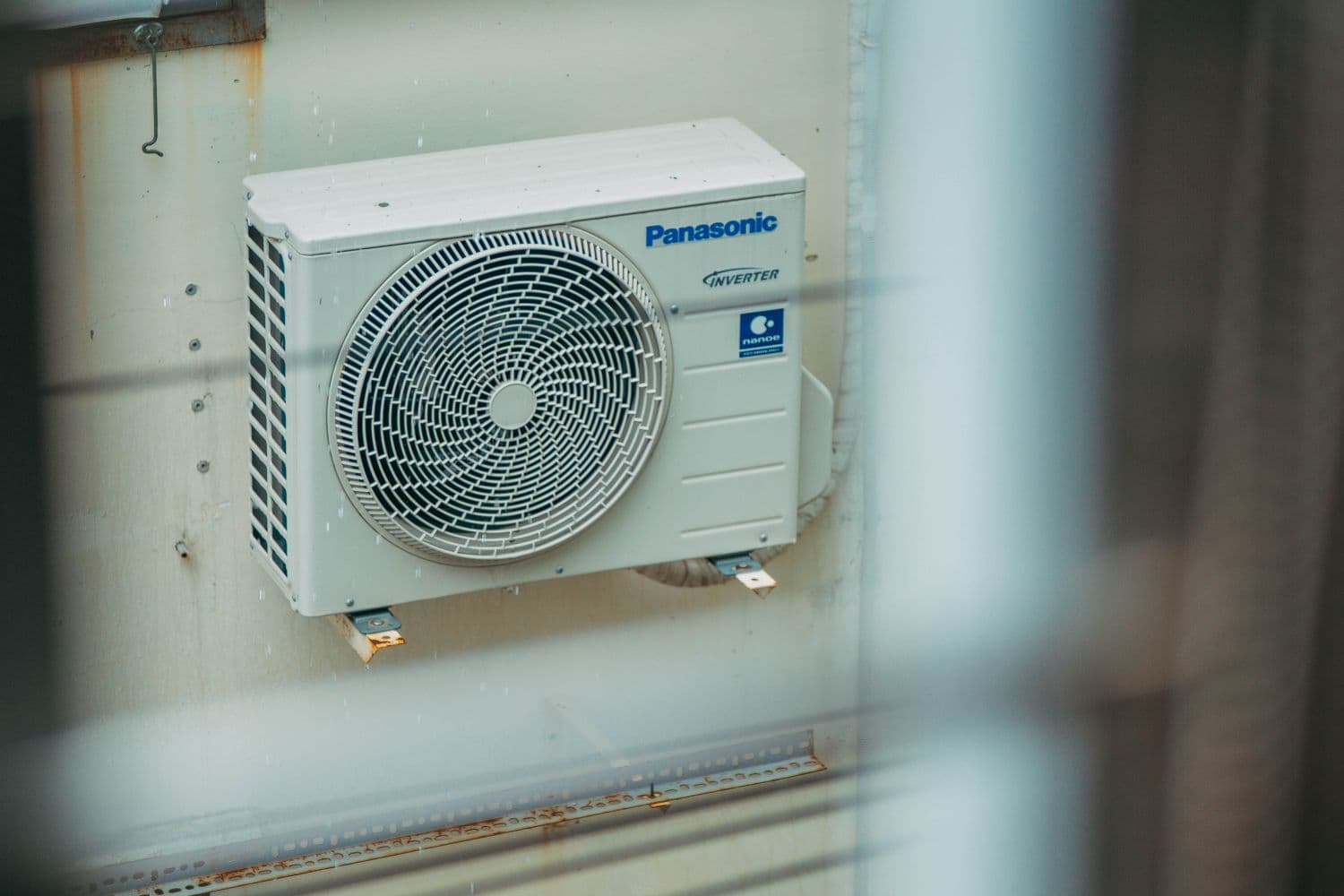
Most people asking this question are picturing the box that sits outside: the condenser, or outdoor unit. The indoor unit on your wall almost never needs permission. The outdoor one does, unless it fits inside what the law calls permitted development, a set of changes you can make to a house without applying.
On 29 May 2025 those rules changed in a way that matters more for cooling than anything in years. The amendment, SI 2025/560, replaced the condition for air source heat pumps that they be "used solely for heating" with a new one: "not solely used for the purpose of cooling". Read slowly, that single phrase decides almost every answer below.
The one question that decides the route
Does the unit heat as well as cool? An air-to-air heat pump does: it is your heating in winter and your cooling in summer. That makes it an air source heat pump under Class G of the permitted-development rules, so it can be fitted to a house without planning permission, as long as it meets the limits below.
A unit bought purely to cool fails the "not solely for cooling" condition, and there is no other permitted-development class that covers it. So in England a cooling-only air conditioner needs full planning permission, whatever kind of house you live in.
The permitted-development limits
| Condition | Air-to-air heat pump (heats and cools) | Cooling-only air conditioning |
|---|---|---|
| Does the permitted-development route apply? | Yes on a house, within the Class G limits below (it heats as well as cools). | No - a cooling-only unit needs full planning permission. |
| Property type | Houses get the Class G right directly. For a flat the right sits with the whole building (one unit for the block) and needs freeholder consent, so in practice a flat almost always needs permission. | Planning permission required either way. |
| Maximum outdoor-unit size | Up to 1.5 cubic metres on a house (0.6 cubic metres for a block of flats). | Not applicable - planning permission required. |
| Number of units | Up to two on a detached house; otherwise one. | Not applicable - planning permission required. |
| Where it can go | Not on a pitched roof; on a flat roof it must sit at least 1 metre from the edge; not on a wall above ground-floor level that faces a highway. | Set by the planning application. |
| Conservation area | Stricter - it must not go on any wall or roof that faces a highway, and an Article 4 direction can remove the right entirely. | Planning permission required. |
| Listed building | Excluded from permitted development; listed-building consent is needed regardless. | Excluded from permitted development; listed-building consent is needed regardless. |
| Noise | Must pass the MCS Planning Standards (MCS 020) sound test, measured at the nearest neighbour's door or window. | Any planning permission will set its own noise conditions. |
Flats and maisonettes
The Class G right belongs to houses. For a block of flats it sits with the building as a whole, allows one unit for the block, and has a smaller size limit of 0.6 cubic metres. An individual leaseholder cannot use it alone, and the lease almost always needs the freeholder’s consent for anything fixed to the outside. In practice, a flat almost always means a planning application, a freeholder’s consent, or both.
Conservation areas, listed buildings and Article 4
- In a conservation area, an air-to-air unit can still be permitted development, but it must not go on a wall or roof that faces a road.
- Listed buildings are excluded from permitted development entirely. You need planning permission and listed building consent, for any system.
- An Article 4 direction lets a council withdraw permitted-development rights in a defined area. Your council can tell you whether one applies.
The 37 dB(A) noise test
To count as permitted development, an air source heat pump has to pass the MCS 020 a) sound calculation. It predicts the noise at each assessment position, 1 metre from the centre of any neighbouring habitable-room window or door, from the unit's sound power, the number of reflecting surfaces around it, the distance and any solid barrier in between. The result must be 37 dB(A) or lower. That limit applies to permitted-development installs from 20 September 2025, replacing the older 42 dB(A) test.
Free toolOutdoor unit noise checkerWill your unit pass the 37 dB test?What councils actually decide
Applications for air conditioning and heat pumps are mostly approved. Of the 12,879 decided cooling and heat-pump applications we hold for the United Kingdom, 786 were refused (6.1%). What councils ask for in return is noise control: of the 2,383 conditions we hold on these applications, 322 (13.5%) concern noise, against 2,763 of 155,641 (1.8%) across all planning conditions. Our analysis of refusals and analysis of noise conditions show the method and the caveats.
If you do need planning permission
- 1
Check the local picture
Look at how your council has decided similar applications. Our council-by-council reports show approval rates and the conditions councils attach. - 2
Pick a sensible position
Rear or side walls, away from neighbours’ bedroom windows, behind a solid fence or wall, and not facing the street. - 3
Get the noise data
Your installer should provide the unit’s sound power and a noise assessment. Many councils ask for one. - 4
Apply through the Planning Portal
A householder application, with drawings showing where the unit goes. The statutory target for a householder decision is eight weeks.
Wales, Scotland and Northern Ireland
Everything above describes England. The other nations set their own permitted-development rules for heat pumps and air conditioning, and they differ. Check with your local planning authority before you install.
“not solely used for the purpose of cooling”
Frequently asked questions
Do I need planning permission for air conditioning in England?
For a cooling-only unit, yes: it has no permitted-development route. An air-to-air heat pump that also heats can be permitted development on a house within the size, siting and noise limits.
Can I put an air conditioning unit on my flat?
Usually only with a planning application and the freeholder’s consent. The permitted-development right for heat pumps sits with the whole building, not an individual flat.
How far from the boundary does an outdoor unit need to be?
The 2025 amendment removed the old 1 metre boundary rule. Noise now does that job: the unit must pass the MCS 020 a) test at neighbouring windows and doors.
Do I need planning permission for a heat pump in a conservation area?
An air-to-air or air source heat pump can still be permitted development in a conservation area, but it must not be on a wall or roof facing a road, and an Article 4 direction can remove the right.
Sources
Solomon Amos, Founder & Technical Architect, GetComfort
Solomon Amos is the founder and technical architect of GetComfort, and built HomePortfolio, the property-intelligence platform behind this site's property data. He is not an installer: every accreditation and planning claim here is sourced to its primary guidance, as the methodology sets out. More about the author