Key takeaways
- Most flats need two permissions to fit a fixed cooling system: the freeholder or managing agent under your lease, and usually planning permission.
- The permitted-development right for heat pumps sits with the whole building, not your flat.
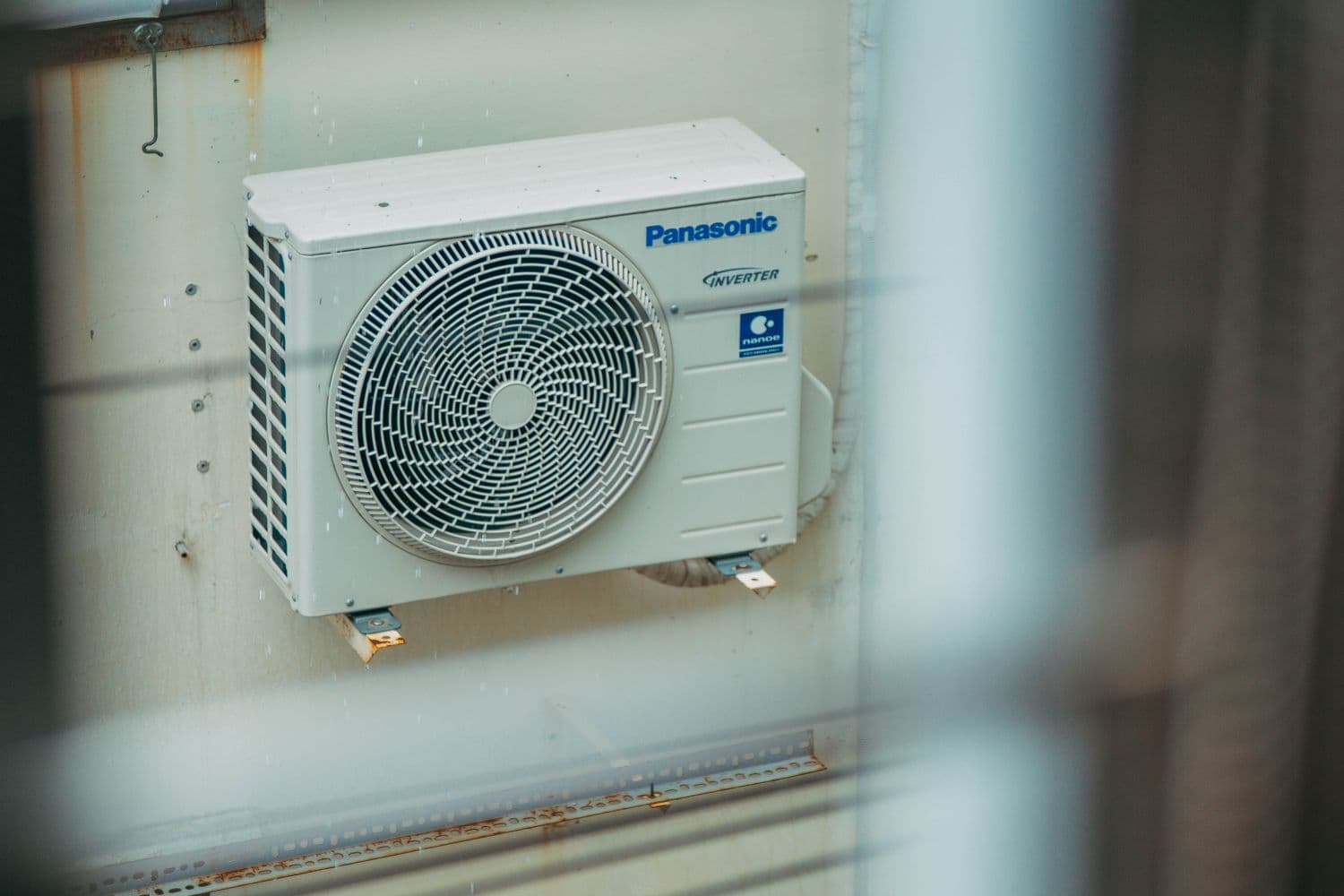
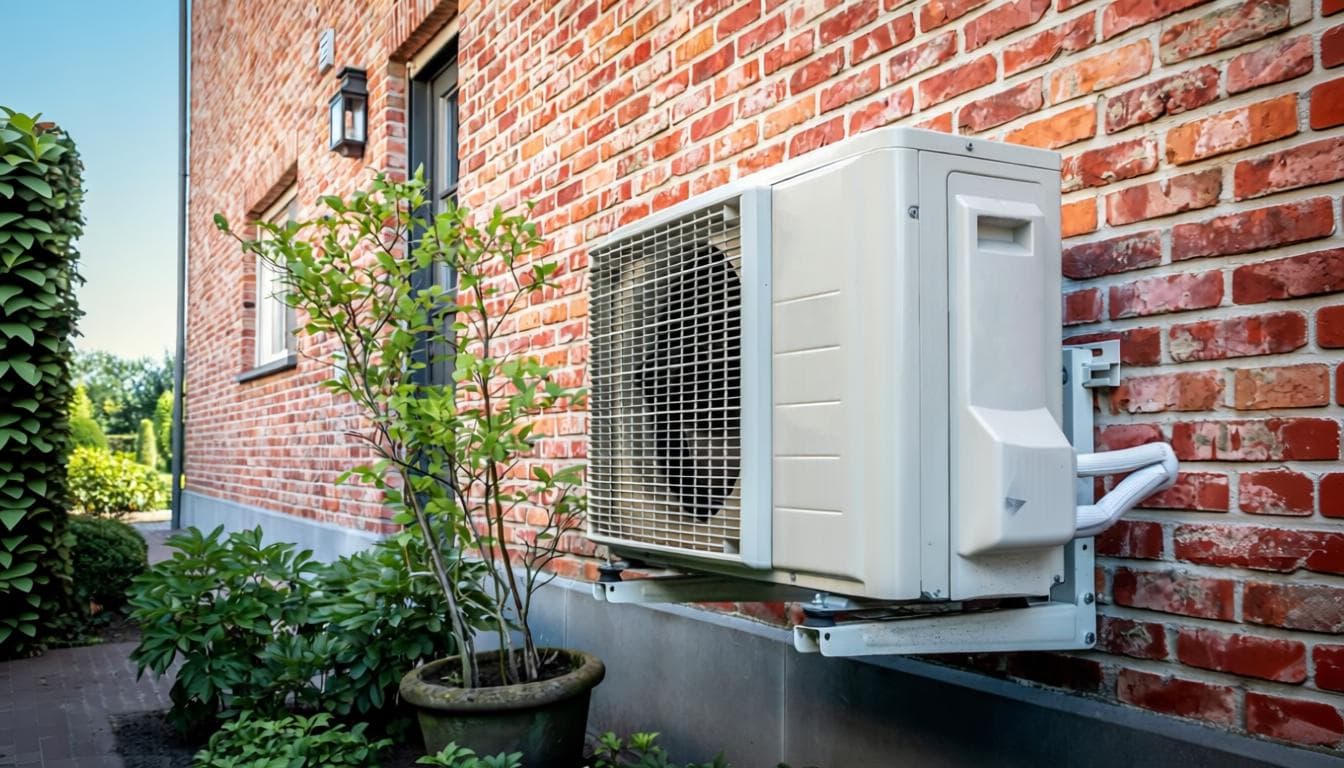
- The outdoor unit is what triggers the rules, and it must not bother neighbours: the permitted-development noise test is 37 dB(A) at their window.
- If a fixed system is not possible, shading, night ventilation and a portable unit are the fallbacks.
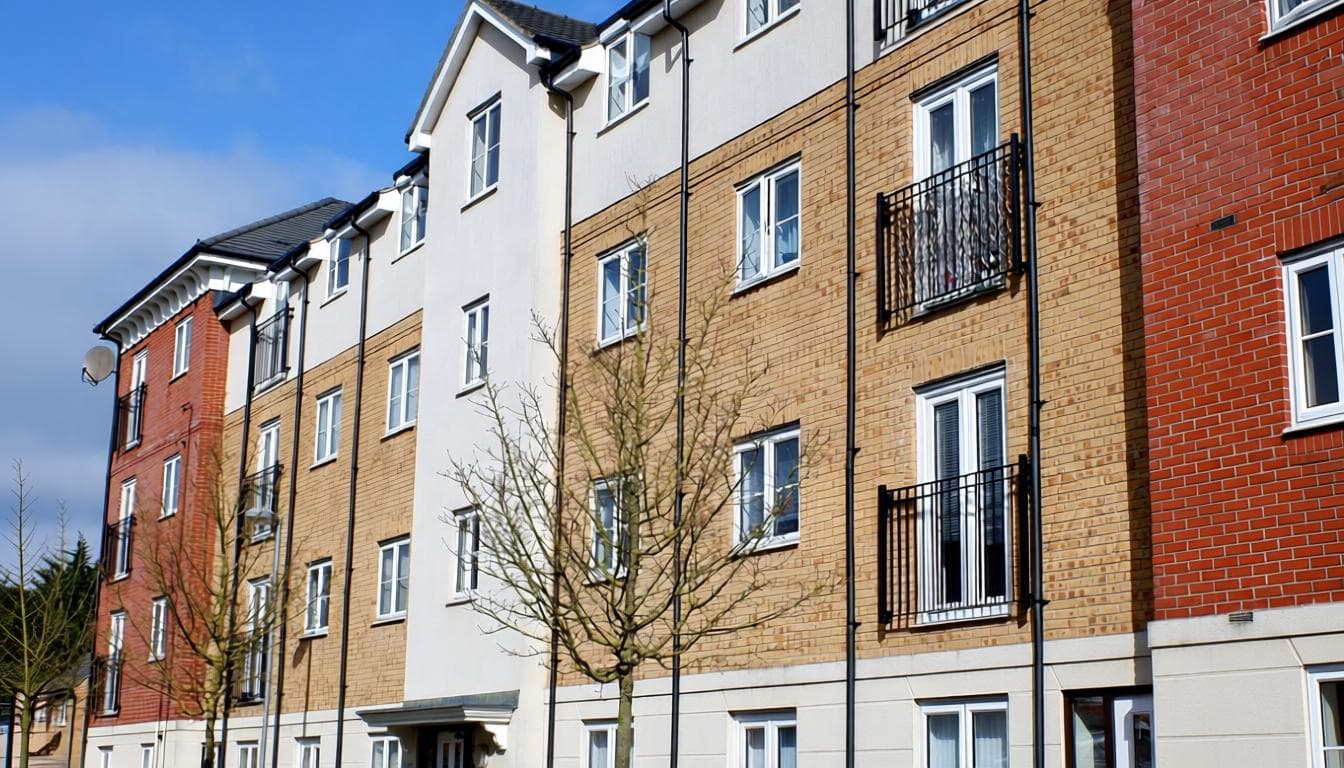
Flats are where UK overheating is worst and where fitting cooling is hardest. Upper floors trap heat, many flats face one way only, and the building belongs partly to someone else. You can usually still get cooling in, but the route runs through your lease before it reaches the council.
Start with your lease
Most leases stop you altering the outside walls, roof or structure without the freeholder’s written consent, because those parts are not yours. An outdoor unit on the wall or balcony, and the pipe run through the wall, almost always count. Ask the freeholder or managing agent early: some have a standard process and approved positions, some refuse outright, and some charge a fee for a licence to alter.
Then planning permission
In England, the permitted-development right for air source heat pumps (Class G) is a right of houses. For flats, it sits with the building as a whole and allows one unit for the block, with a smaller size limit of 0.6 cubic metres. An individual flat owner cannot use it alone. And a cooling-only air conditioner has no permitted-development route at all, for a house or a flat. So for most flats, a planning application is the realistic route.
| Situation | Lease | Planning (England) |
|---|---|---|
| Cooling-only split unit on the outside wall | Freeholder consent | Planning permission needed |
| Air-to-air heat pump replacing electric heating | Freeholder consent | Usually planning permission, as the right sits with the building |
| Listed building or conservation area | Freeholder consent | Planning permission, plus listed building consent if listed |
| Portable unit with a window hose | Check the lease on window alterations | Not needed |
Where the outdoor unit can go
- Balconies and roof areas are common, but check the structure and access for servicing.
- Rear and courtyard walls usually meet less resistance than the street side.
- Keep it away from neighbours’ bedroom windows. Councils and freeholders both look at noise.
- Lightwells rarely work. With more than three hard surfaces around the unit, it cannot meet the MCS 020 a) noise test.
18% of Hackney homes are top-floor flats
24,809 of 137,112
60 m²
median floor area
£482
median annual heating cost
EPC band distribution
24,809 top-floor flats in Hackney with an EPC on record
Greener bands are more energy-efficient; red bands (E-G) are poorer-fabric homes that trap summer heat.
| EPC band | Homes | Share |
|---|---|---|
| A | 19 | 0% |
| B | 1,082 | 4% |
| C | 8,971 | 36% |
| D | 10,755 | 43% |
| E | 3,383 | 14% |
| F | 418 | 2% |
| G | 181 | 1% |
When these homes were built
Construction era of 24,461 top-floor flats in Hackney
- pre-1919 37%
- 1919-1944 14%
- 1945-1999 36%
- 2000+ 13%
| Era | Homes | Share |
|---|---|---|
| pre-1919 | 9,044 | 37% |
| 1919-1944 | 3,487 | 14% |
| 1945-1999 | 8,752 | 36% |
| 2000+ | 3,178 | 13% |
Real EPC and property-intelligence data via HomePortfolio, aggregated for top-floor flats in Hackney. Data as of 11 July 2026.
Building-wide options
Where several flats in a block overheat, a freeholder may prefer one planned approach to a scatter of units on the walls: agreed positions for outdoor units, a shared route for pipework, or a communal system in larger blocks. It costs more to organise but tends to win approval more easily, and it avoids a first-come, first-served scramble for the best spots on the building.
What if you cannot fit a fixed system?
- 1
Keep the sun out
Reflective blinds or solar-control film on south and west windows, closed before the sun reaches them. - 2
Ventilate at night
Open up when it is cooler outside, and create a through-draught if you have windows on two sides. - 3
Use a portable unit as a stop-gap
It needs no outside work, but costs about 3.7 times as much an hour to run as a split unit. - 4
Ask about the building
A freeholder may be willing to plan a building-wide solution, especially where several flats overheat.
Frequently asked questions
Do I need permission to install air conditioning in a leasehold flat?
Almost always. The outdoor unit and pipework usually affect parts of the building your lease does not give you, so you need the freeholder’s written consent, and usually planning permission as well.
Can I put an air conditioning unit on my balcony?
Often, with the freeholder’s consent and planning permission. Check the structure can take it and that it is not close to a neighbour’s bedroom window.
Do portable air conditioners need planning permission?
No. A portable unit with a hose through a window needs no planning permission, though check your lease if it involves altering a window.
Sources
Solomon Amos, Founder & Technical Architect, GetComfort
Solomon Amos is the founder and technical architect of GetComfort, and built HomePortfolio, the property-intelligence platform behind this site's property data. He is not an installer: every accreditation and planning claim here is sourced to its primary guidance, as the methodology sets out. More about the author