Key takeaways
- Heat gets in three ways: sun through glass, warm air, and heat stored in the building that comes back out at night.
- Shading on the outside of a window beats anything on the inside, because the heat never reaches the glass.
- Open up when it is cooler outside than in, usually late evening to early morning, and shut up by mid-morning.
- Fans cool people, not rooms. Use them on you, and use cross-breezes to move heat out of the room.
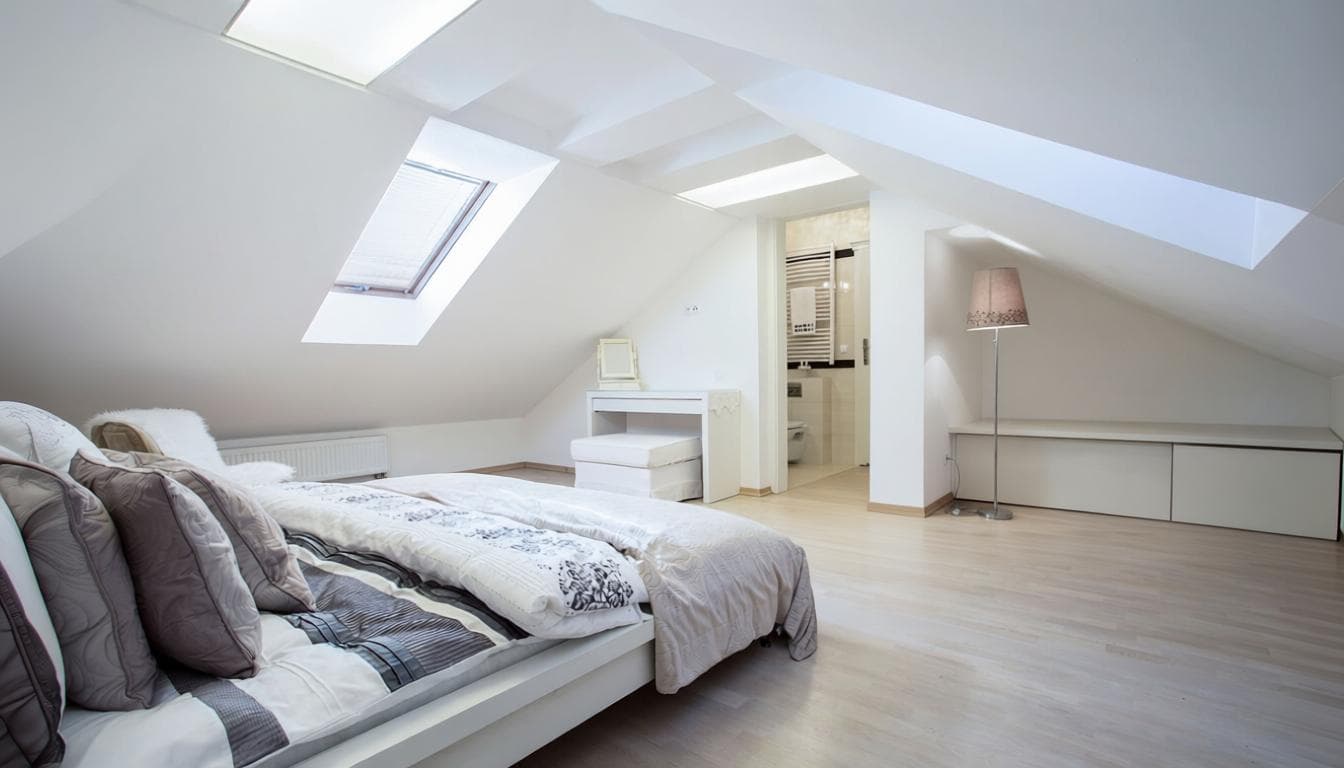
- Top-floor flats, loft rooms and single-aspect homes facing south or west often need more than passive measures.
Most UK homes were designed to hold on to heat, which is exactly what you want in January and the opposite of what you want in a heatwave. The good news is that the order you do things in matters more than what you spend. A well-run home with no air conditioning can stay several degrees cooler than the same home run badly, and most of the measures below cost nothing.
It is also a problem that is growing. The Met Office's local projections put Islington on about 5 days a year above 30°C in the 2001 to 2020 climate, rising to about 13 in a world 2.5°C warmer than pre-industrial times, which is roughly where current international commitments point. Knowing how your home gains heat is the first step to keeping it out.
Understand where the heat comes from
On a hot day, heat reaches your rooms in three ways. Sunlight passes through glass and warms whatever it lands on. Warm outdoor air comes in through open windows, vents and gaps. And heat soaks into walls, floors and the roof during the day, then radiates back out in the evening, which is why a bedroom can feel hottest at 11pm even though the sun set hours earlier.
Each one needs a different response. Sun is blocked, air is timed, and stored heat is flushed. Get those three right and you have done most of what can be done without a machine.
Stop the sun before it reaches the glass
Once sunlight is through the window, most of its heat is already in the room. A blind on the inside helps, but the heat it absorbs is still indoors. That is why external shading, such as awnings, external roller blinds and shutters, is the single most effective passive step for sunny windows, especially on south and west-facing rooms.
- Close curtains and blinds on the sunny side before the sun reaches the glass, not after the room is already warm.
- Pale or reflective linings bounce more heat back out than dark fabrics.
- Solar-control window film cuts heat through the glass without any outside work, which suits flats where external fittings need consent.
- West-facing rooms take the hardest afternoon sun, when the air is also at its hottest, so shade them first.
Ventilate at the right time of day
Opening every window on a 30°C afternoon lets hot air in. The rule is simple: open up when it is cooler outside than inside, and close up when it is not. In a typical heatwave that means windows open from late evening through to early morning, then shut, with blinds drawn, by mid-morning.
This night-time flushing only works if you can actually leave windows open. Our checker judges whether it is realistic at a given address from the local noise level, against the World Health Organization’s 55 dB guideline for outdoor living areas by day, and from fine-particle pollution, against the WHO’s 2021 guideline of 15 micrograms per cubic metre over 24 hours. On a busy road or a ground floor, secure window restrictors and trickle vents are the safer option.
Make the air move through the home
A breeze needs a way in and a way out. Opening windows on opposite sides of the home, and the internal doors between them, lets cooler air sweep through. In a house with stairs, opening a low window downstairs and a high one upstairs uses the fact that warm air rises to pull air through on its own.
Cut the heat you make indoors
Ovens, tumble dryers, dishwashers, old lighting and electronics all add heat. On the hottest days, move cooking, laundry and dishwashing to the evening, switch to LED bulbs, and turn off things on standby. It sounds small, but in a well-sealed flat these internal gains can decide whether a room stays bearable.
Use fans for people, not for rooms
A fan does not lower the temperature of a room. It cools you by moving air across your skin, which helps sweat evaporate. Point it at the people, and switch it off when nobody is there. The exception is a fan in a window at night blowing warm air out, which does help move heat out of the room.
| Measure | How much it helps | Typical cost |
|---|---|---|
| External shading on sunny windows | High | From £300; motorised external blinds cost more |
| Night ventilation, closed by day | High where nights are quiet | Free |
| Cross-ventilation through the home | Medium | Free |
| Light-coloured or thermal blinds and curtains | Medium | £40 to £300 |
| Solar-control window film | Medium | £150 to £600 |
| Roof or loft insulation, with the loft ventilated | Medium for top floors | £400 to £1,500 |
| Fans | Low for the room, high for comfort | £30 to £300 |
A heatwave day, hour by hour
- 1
Early morning
Leave windows open while the air outside is cooler, then close them as soon as it starts to warm up. - 2
Before the sun arrives
Draw blinds and curtains on the side of the home the sun will reach next. - 3
Midday
Keep doors to the hottest rooms shut and save cooking and laundry for later. - 4
Afternoon
Spend the hottest hours in the coolest room, usually one facing north or east, or downstairs. - 5
Evening
Once it is cooler outside, open windows on opposite sides of the home to pull air through. - 6
Night
Keep the bedroom window open if it is safe and quiet, and use a fan on yourself rather than the room.
When passive cooling is not enough
Some homes run hot whatever you do. Top-floor flats sit under a roof with nothing above to buffer the heat, loft conversions have thin ceilings and big roof windows, single-aspect flats cannot cross-ventilate, and dense city streets stay warm all night. If a bedroom is regularly above 26°C at night, the threshold the CIBSE TM59 overheating test uses for bedrooms, it is worth looking at a system.
Our Home Cooling Checker reads your home's own records and tells you whether passive measures should come first, run alongside a system, or are unlikely to be enough on their own.
Frequently asked questions
Should I keep windows open or closed in a heatwave?
Closed, with blinds drawn, while it is hotter outside than in, usually from mid-morning to evening. Open them when the outside air is cooler, usually from late evening to early morning.
Do blackout curtains keep a room cool?
They help, especially with a pale or reflective lining facing the window. Close them before the sun reaches the glass. External shading is more effective still because the heat never gets inside.
Does a fan cool a room?
No. A fan cools people by moving air over the skin. It only lowers the room temperature if it is pushing warm air out of a window or pulling cooler air in.
What temperature is too hot for a bedroom?
The CIBSE TM59 overheating test treats a bedroom as overheating if it is above 26°C for more than 1% of the hours between 10pm and 7am across a year, which is about 32 hours.
Sources
Solomon Amos, Founder & Technical Architect, GetComfort
Solomon Amos is the founder and technical architect of GetComfort, and built HomePortfolio, the property-intelligence platform behind this site's property data. He is not an installer: every accreditation and planning claim here is sourced to its primary guidance, as the methodology sets out. More about the author